Solar

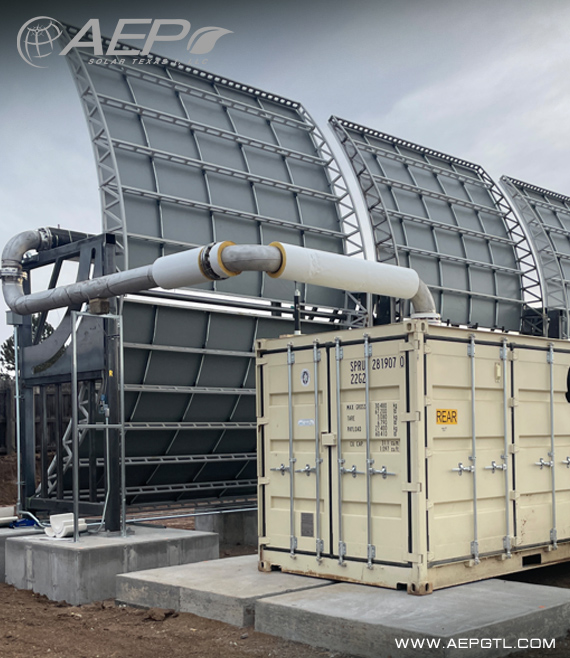
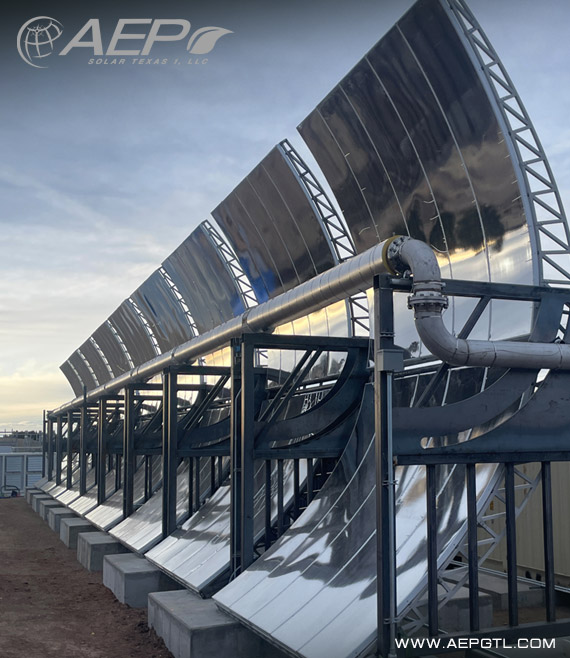
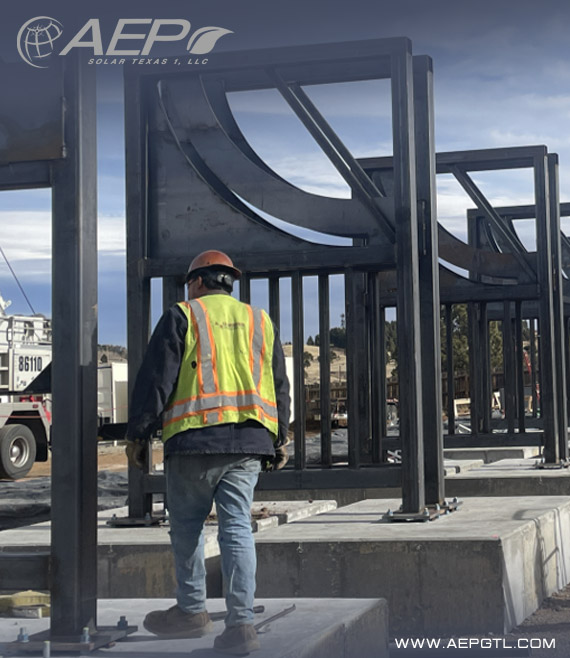
24/7 Renewable Baseload Power for Hyperscale AI Data Centers

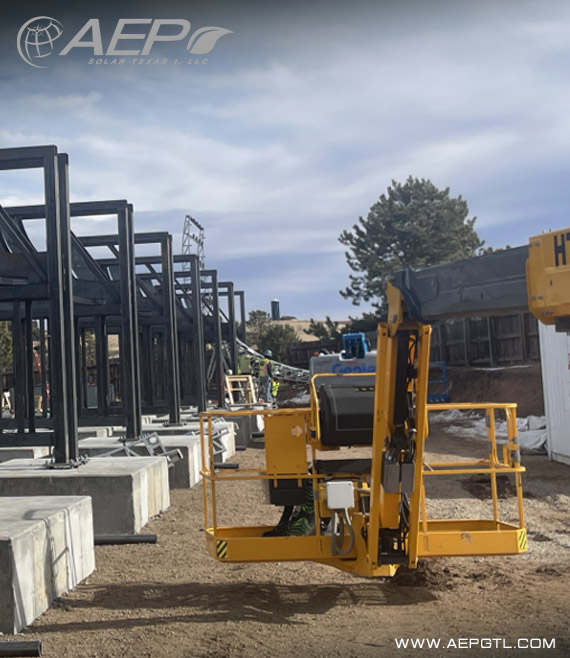
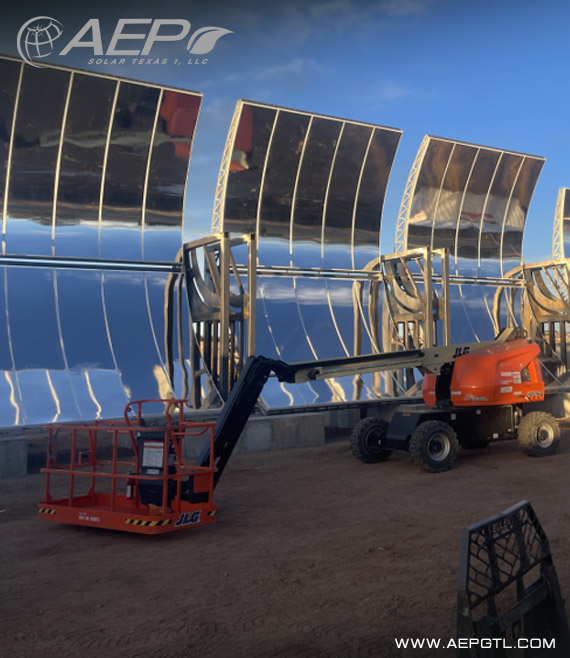
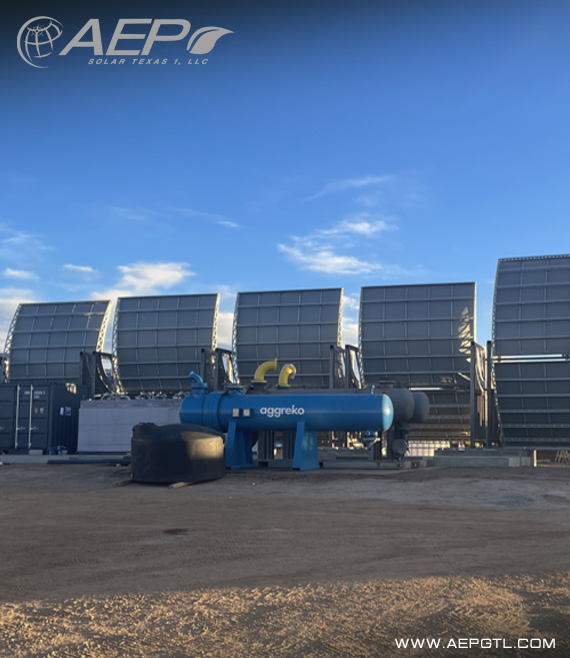
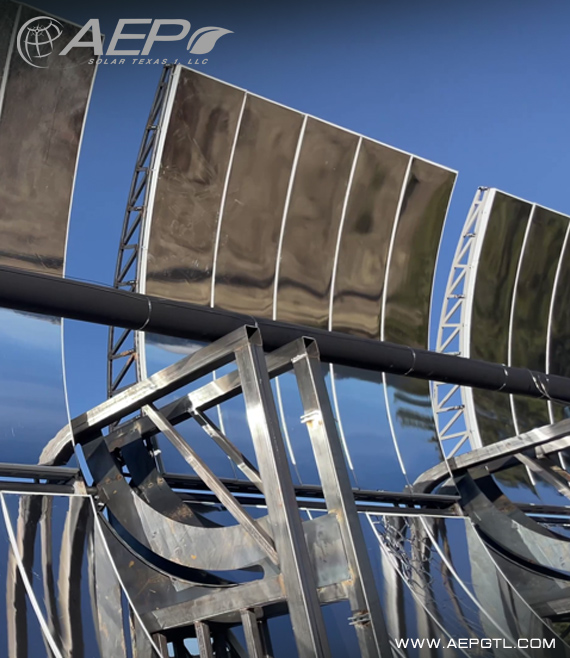
Fully integrated 100–500 MW solar-thermal power platform — deployed in 12–14 months, not 3–5 years. Firm, dispatchable, carbon-free generation that runs 8,760 hours a year.

Capability

AEP RNG’s team has successfully developed numerous biogas, conventional natural gas, and other infrastructure projects, including over 50 Biogas/LFG sites.

Financing

Uniquely, AEP RNG is not private equity backed. Our self-funded approach, along with conventional financing, allows for a fast-moving and agile approach to project financing, AEP RNG has selected a team of experienced professionals with decades of experience across the LFG and Biogas industries.
OUR EXPERTS AND SPECIALISTS

Take a look at our RNG Team

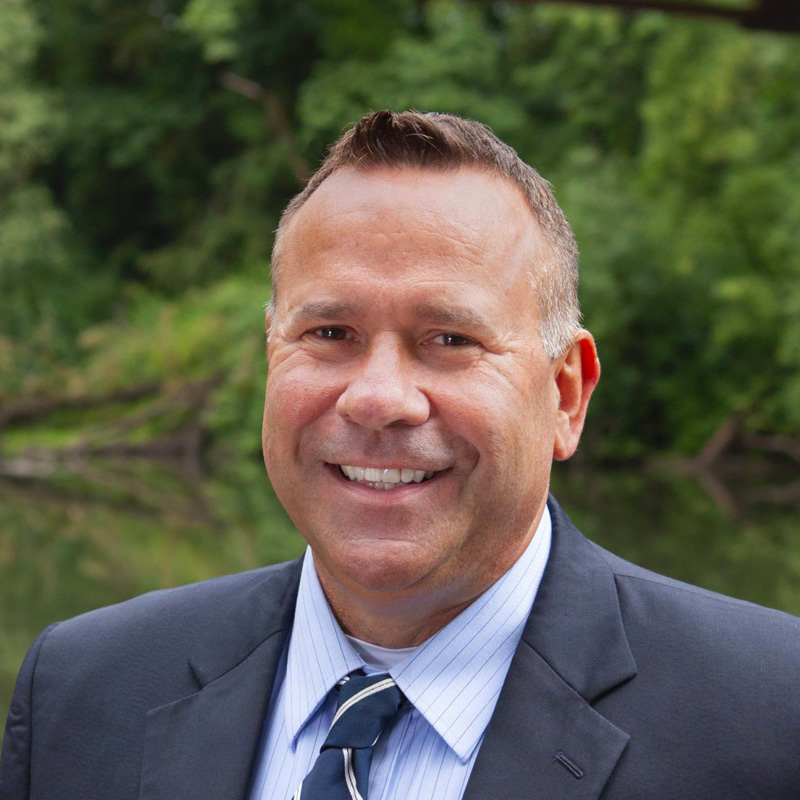
Kyle Snyder

Kyle Snyder

Kyle Snyder brings 13 years of experience in Biogas and LFG projects, providing his expertise in all aspects of each unique project.

AEP’s Customer-Centered Collaboration in 3 Easy Steps

1

Free Assessment

AEP Development will provide a free assessment of your available feedstock. This includes all possible waste streams, a plan to extract as much valuable methane as possible, and an analysis of reducing the carbon footprint of the process.
2

Collaborative Agreement

In the case that there is enough methane to initiate a project, a joint development agreement will be offered.. This agreement commits AEP Development to install and fund the necessary equipment to capture methane from your waste streams, convert it to renewable natural gas, and will define a payment stream to the gas source for the term of the agreement which can range from 10-20 years. The co-developer does not incur any costs under this agreement and will be compensated by AEP Development, for providing the feedstock to produce RNG.
3

Capture, Convert and Payment

AEP Development will install methane capture systems. These typically consist of covered lagoons or tank-based systems, also called anaerobic digesters. These systems will efficiently capture the methane, using it for fuel and keeps the gas from escaping into the atmosphere. The gas will then be processed by methane/CO2 separation technologies allowing the gas to be injected into a nearby pipeline or compressed into CNG for immediate use. Payment is then made for the RNG.